Emergency Services
 Request A Call
973-686-0700
Lorem ipsum dolor sit amet, consectetur adipiscing elit, sed do eiusmod tempor incididunt ut labore et dolore magna aliqua.
Cervical/Thoracic Epidural Steroid Injections
A cervical or thoracic epidural steroid injection is a treatment for pain in the neck and upper or middle back. The medicine is placed into the space around the spine called the epidural space. This area holds the nerves that send signals to the rest of the body. By putting medicine directly in this space, doctors can calm irritated nerves and reduce pain.
Why someone might need this injection:
- A bulging or herniated disc occurs when the soft cushion between the bones of the spine pushes out.
- Spinal stenosis refers to a condition where the space in the spine is too narrow, squeezing the nerves.
- Pinched nerves, which can cause sharp or burning pain that travels into the arms or chest.
- Degenerative disc disease, which is normal “wear and tear” of the spine, can cause pain over time.
Benefits of the injection may include:
- Less pain in the neck, shoulders, and upper back.
- Nerves that are less irritated, which means fewer tingling, burning, or shooting pains.
- Fewer muscle spasms.
- Better movement and flexibility in the neck and upper body.
- Relief that can make it easier to do everyday activities, exercise, or physical therapy.
How it helps:
The injection includes a small amount of steroid medicine, which reduces swelling and inflammation around the nerves. Pain relief can last for weeks or even months, depending on the person. Sometimes, people may need more than one injection for the best results.
What to Expect During the Procedure:
- The injection is usually done in an outpatient setting, meaning you go home the same day.
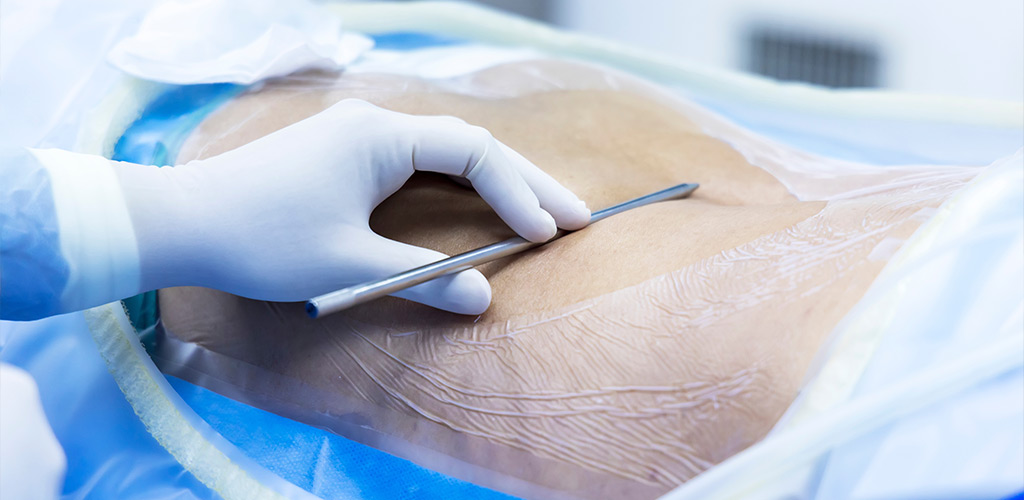
- You will lie on a table, and the doctor will clean the skin where the injection will go.
- A numbing medicine is used to reduce discomfort.
- With the help of X-ray guidance, the doctor carefully places the needle into the epidural space and gives the medicine.
- The procedure usually takes less than 30 minutes, and most people can walk right after.
Afterward, you may feel some soreness at the injection site, but this usually goes away in a day or two. Many patients begin to feel pain relief within a few days.
Safety & Recovery Tips:
- Take it easy the rest of the day after your injection. Light walking is okay, but avoid heavy lifting or strenuous exercise.
- You can return to normal activities the next day.
- Use an ice pack if the injection site feels sore.
- Call your doctor if you notice a fever, severe headache, loss of bladder/bowel control, or any other unusual symptoms.