Emergency Services
 Request A Call
973-686-0700
Lorem ipsum dolor sit amet, consectetur adipiscing elit, sed do eiusmod tempor incididunt ut labore et dolore magna aliqua.
Posterior Lumbar Fusion
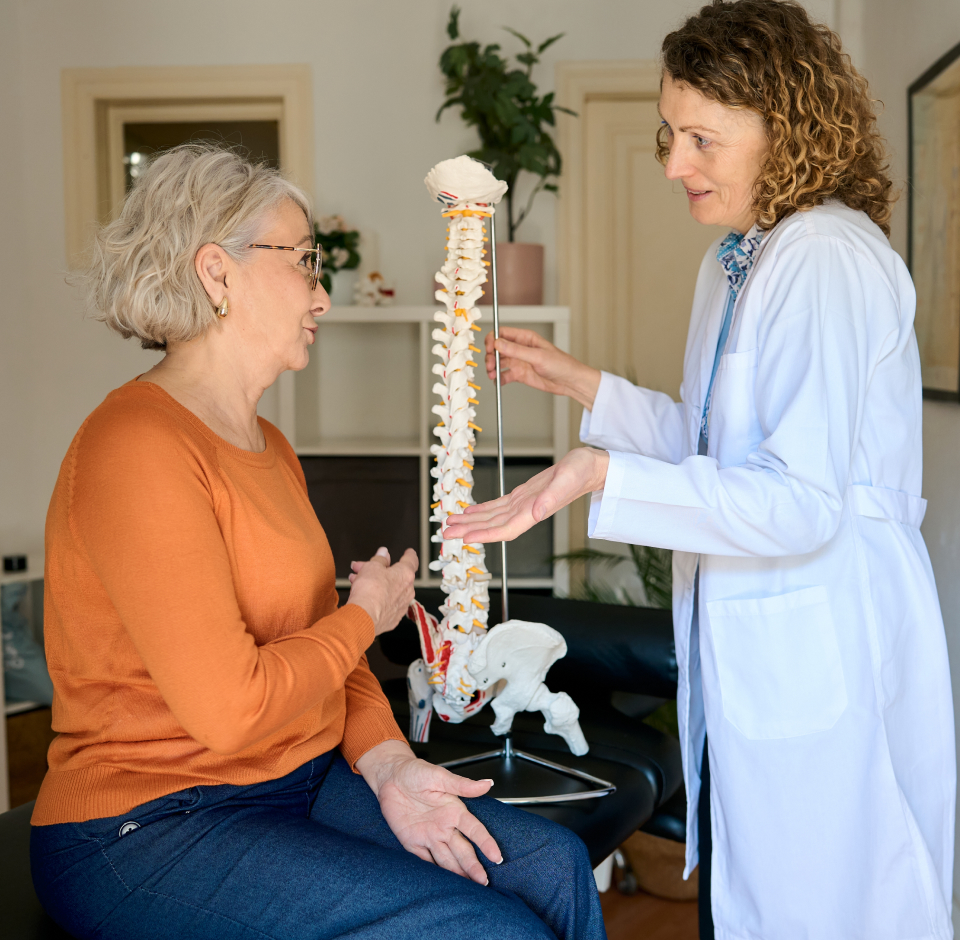
Posterior lumbar fusion is a surgery performed to stabilize the lower back by joining two or more vertebrae. This procedure is done through an incision in the back and helps prevent excessive movement that can cause pain or nerve problems.
How the Procedure Works
- The surgeon makes an incision in the lower back to access the spine.
- Two or more vertebrae are fused using bone graft material.
- Surgical hardware, such as screws, rods, or plates, is often used to hold the vertebrae in place while the bone heals.
- Over time, the bones grow together, creating a stable segment of the spine.
Conditions This Surgery Treats
Posterior lumbar fusion is commonly recommended for:
- Spinal instability caused by fractures.
- Degenerative changes in the lumbar spine, such as arthritis or disc collapse, can occur.
- Spinal deformities, including scoliosis or spondylolisthesis.
- Chronic lower back pain or nerve compression that has not improved with non-surgical treatments.
Benefits of Posterior Lumbar Fusion
- Provides stability to the lower back.
- Reduces pain and nerve irritation caused by spinal instability.
- Improves mobility, posture, and daily function.
- Offers long-term structural support for the lumbar spine.
What to Expect During Recovery
- Surgery is performed in a hospital under general anesthesia.
- Patients usually stay 1–3 days in the hospital.
- A back brace or support may be required for several weeks.
- Physical therapy may be recommended to improve strength, flexibility, and posture.
- Full recovery can take several months, but most patients notice gradual improvements in pain and stability.
Safety & Recovery Tips
- Follow all post-operative instructions from your surgeon.
- Avoid heavy lifting, twisting, or high-impact activities until cleared.
- Attend all follow-up appointments to monitor healing and fusion progress.
- Contact your doctor immediately if you notice fever, worsening pain, numbness, or weakness.