Emergency Services
 Request A Call
973-686-0700
Lorem ipsum dolor sit amet, consectetur adipiscing elit, sed do eiusmod tempor incididunt ut labore et dolore magna aliqua.
Lower Extremity Revascularization
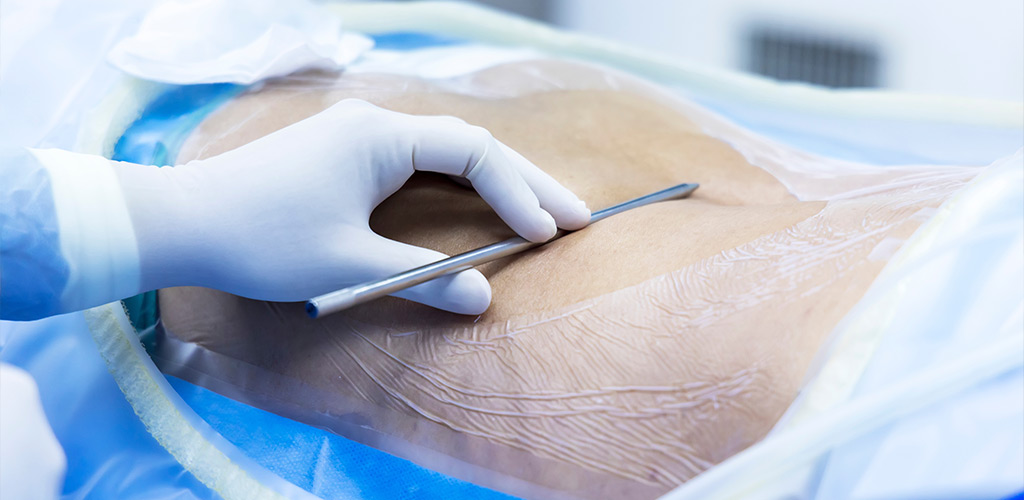
Lower extremity revascularization is a procedure that helps restore healthy blood flow to the legs. It can be done through surgery or minimally invasive techniques, depending on the patient’s needs. This procedure improves circulation, promotes healing, and reduces leg pain.
How the Procedure Works
- The surgeon identifies blocked or narrowed arteries in the legs.
- Depending on the condition, blood flow can be restored using:
- Angioplasty – a small balloon is used to open the artery.
- Stenting – a tiny mesh tube is placed to keep the artery open.
- Restoring circulation helps the legs heal properly and reduces discomfort.
Why Lower Extremity Revascularization May Be Recommended
- Poor blood flow causing pain, cramping, or fatigue in the legs (peripheral artery disease).
- Non-healing wounds or ulcers on the feet or legs.
- Risk of serious complications, such as infection or tissue loss, due to poor circulation.
- To improve overall leg function and mobility.
Benefits of Lower Extremity Revascularization
- Increases blood flow to the legs, improving healing and comfort.
- Reduces pain and cramping caused by restricted circulation.
- Promotes wound healing and lowers the risk of serious complications.
- Improves mobility, walking ability, and quality of life.
Can prevent or reduce the need for amputation in severe cases.
What to Expect During Recovery
- The procedure may be done in a hospital or outpatient setting, depending on the technique used.
- Recovery varies: minimally invasive procedures usually have shorter recovery times, while bypass surgery may require a longer hospital stay.
- Light walking is encouraged to support circulation, but heavy activity should be avoided until cleared by the doctor.
- Patients may be prescribed medications or compression devices to improve healing and prevent complications.
- Follow-up visits are important to monitor blood flow and recovery.
Safety & Recovery Tips
- Follow all post-procedure instructions from your healthcare team.
- Keep incision sites clean and watch for any signs of infection.
- Contact your doctor if you notice increased pain, swelling, redness, or numbness in the legs.
- Maintain a healthy lifestyle, including proper diet, exercise as advised, and medication adherence, to support long-term vascular health.