Emergency Services
 Request A Call
973-686-0700
Lorem ipsum dolor sit amet, consectetur adipiscing elit, sed do eiusmod tempor incididunt ut labore et dolore magna aliqua.
Bypass Surgery
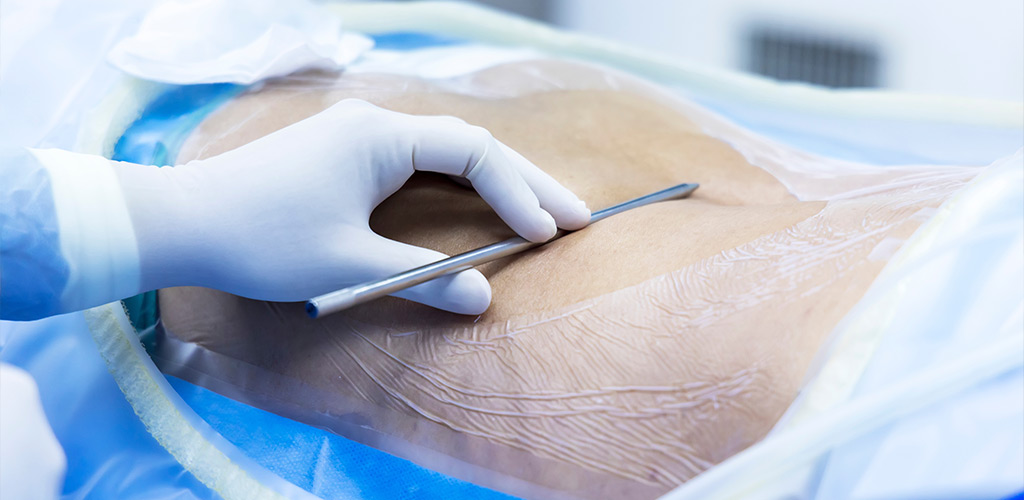
Bypass surgery is a procedure that helps restore blood flow to the legs or arms when arteries are blocked and cannot be opened with less invasive treatments. It creates a new pathway for blood to reach the affected area, which can be life- or limb-saving.
How the Procedure Works
- The surgeon identifies the blocked artery in the affected limb.
- A new pathway (bypass) is created using either:
- A vein from the patient, or
- A synthetic graft.
- The bypass connects the artery above and below the blockage, allowing blood to flow freely around the obstruction.
- This restored circulation helps the limb heal properly and reduces the risk of serious complications.
Why Bypass Surgery May Be Recommended
- Severe blockages in the arteries that cannot be treated with angioplasty or stenting.
- Persistent pain, cramping, or fatigue in the legs or arms due to poor blood flow.
- Non-healing wounds or ulcers caused by restricted circulation.
- To prevent tissue damage or amputation in severe cases.
Benefits of Bypass Surgery
- Restores healthy blood flow to the affected limb.
- Relieves pain and discomfort caused by poor circulation.
- Promotes healing of wounds and ulcers.
- Reduces the risk of serious complications like tissue loss.
- Improves mobility, strength, and quality of life.
What to Expect During Recovery
- Bypass surgery is performed in a hospital under general anesthesia.
- Hospital stay may range from 3–7 days, depending on the patient and the complexity of the surgery.
- Recovery involves gradual increase in activity, starting with short walks.
- Patients may need medications and wound care to support healing.
- Follow-up appointments are important to monitor graft function and overall circulation.
Safety & Recovery Tips
- Follow all instructions from your healthcare team
- Keep incisions clean and dry to prevent infection.
- Avoid heavy lifting, twisting, or strenuous activity until cleared by your doctor.
- Watch for unusual swelling, redness, or pain and contact your doctor if these occur.
Maintain a healthy lifestyle including proper diet, exercise, and medications to support long-term vascular health.