Emergency Services
 Request A Call
973-686-0700
Lorem ipsum dolor sit amet, consectetur adipiscing elit, sed do eiusmod tempor incididunt ut labore et dolore magna aliqua.
Endovascular Repair of Abdominal Aortic Aneurysm (EVAR)
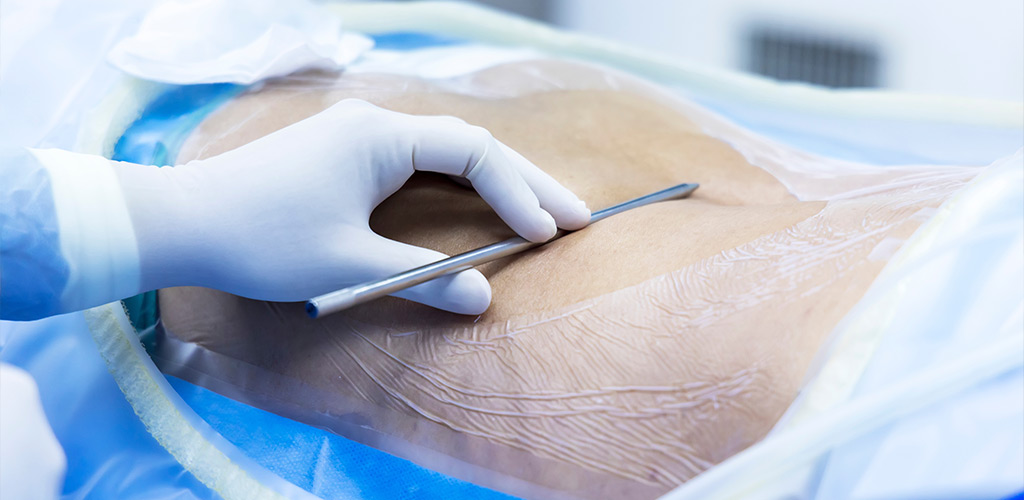
EVAR is a minimally invasive procedure used to treat an aneurysm in the abdominal aorta, which is the main artery that carries blood from the heart to the lower body. The procedure helps strengthen the weakened artery wall and reduce the risk of rupture.
How EVAR Works
- The surgeon makes small incisions in the groin to access the blood vessels.
A catheter is guided through the vessels to the aneurysm. - A fabric-covered metal stent (stent graft) is carefully placed inside the aorta to reinforce the weakened wall.
- Blood flows normally through the stent, while the risk of the aneurysm rupturing is significantly reduced.
Why EVAR May Be Recommended
- Presence of an abdominal aortic aneurysm that is at risk of growing or rupturing.
- Patients who may benefit from a less invasive approach than open surgery.
- To prevent life-threatening complications from an untreated aneurysm.
Benefits of EVAR
- Minimally invasive, requiring small incisions rather than a large abdominal surgery.
- Reduces risk of aneurysm rupture.
- Shorter hospital stay and recovery time compared with open surgery.
- Allows patients to return to normal activities more quickly.
- Can improve overall quality of life and peace of mind by addressing a serious condition safely.
What to Expect During Recovery
- EVAR is usually performed in a hospital under general or regional anesthesia.
- Hospital stay is often 1–3 days, depending on the patient and procedure.
- Patients may experience mild soreness or bruising at the groin incisions.
- Walking and light activity are encouraged, but strenuous activity should be avoided until cleared.
- Follow-up imaging is important to monitor the stent and ensure proper blood flow.
Safety & Recovery Tips
- Follow all post-procedure instructions from your healthcare team.
- Keep the incision sites clean and dry.
- Watch for swelling, redness, or unusual pain at the incision sites and contact your doctor if these occur.
- Maintain healthy lifestyle habits, including regular exercise, diet, and medications, to support long-term vascular health.