Emergency Services
 Request A Call
973-686-0700
Lorem ipsum dolor sit amet, consectetur adipiscing elit, sed do eiusmod tempor incididunt ut labore et dolore magna aliqua.
Thrombolysis for Acute Deep Vein Thrombosis (DVT)
Thrombolysis is a minimally invasive procedure used to treat acute deep vein thrombosis (DVT), a condition where blood clots form in the deep veins, usually in the legs. This treatment helps dissolve clots, restore normal blood flow, and reduce the risk of serious complications, including pulmonary embolism.
How Thrombolysis Works
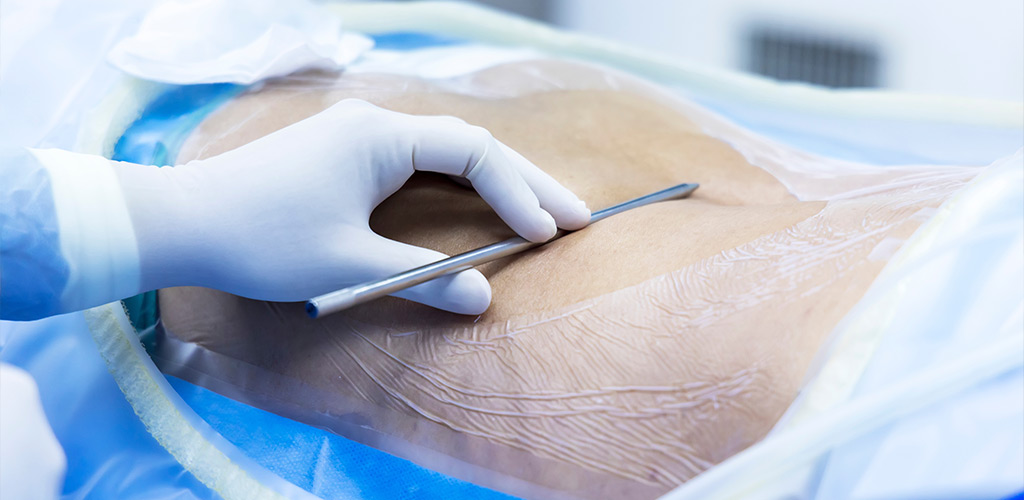
- A catheter is inserted into the affected vein using imaging guidance.
- Targeted clot-dissolving medication is delivered directly to the clot.
- Imaging allows your vascular specialist to monitor the clot’s breakdown in real time.
- The procedure restores blood flow and reduces pressure in the affected veins.
Why Thrombolysis May Be Recommended
- Presence of an acute DVT causing swelling, pain, or redness in the leg.
- To prevent complications such as pulmonary embolism or post-thrombotic syndrome.
- When early intervention can improve long-term vein health.
- To minimize the risk of chronic leg swelling or vein damage.
Benefits of Thrombolysis
- Rapidly restores normal blood flow in the affected veins.
- Reduces pain, swelling, and discomfort associated with DVT.
- Helps prevent serious complications, including pulmonary embolism.
- Minimally invasive, often allowing quicker recovery compared with traditional surgery.
- Supports long-term vascular health and leg function.
What to Expect During and After the Procedure
- Usually performed in a hospital or outpatient vascular center under local anesthesia.
- The procedure typically takes 1–2 hours, depending on clot size and location.
- Patients may experience mild soreness or bruising at the insertion site.
- Follow-up care may include ultrasound imaging and blood-thinning medications.
- Most patients can resume normal activities gradually, following their doctor’s guidance.
Safety & Recovery Tips
- Follow all post-procedure instructions from your healthcare team.
- Keep the catheter site clean and dry to prevent infection.
- Take prescribed medications, such as anticoagulants, as directed.
- Avoid strenuous activity or heavy lifting until cleared by your doctor.
- Watch for increased pain, swelling, or redness, and contact your doctor immediately if these occur.