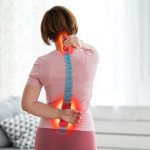
Herniated discs can cause severe pain and disrupt daily life. Learning effective pain management techniques can help you regain control and improve your quality of life.
Understanding Herniated Discs
A herniated disc occurs when the inner gel-like core of the spinal disc pushes through a tear in the outer layer. This can compress nearby nerves, leading to pain, numbness, and weakness, particularly in the lower back and legs.
Pain Management Techniques
1. Physical Therapy
- Exercise: Tailored exercises strengthen core muscles, support the spine, and alleviate pressure on the herniated disc.
- Stretching: Gentle stretching improves flexibility and relieves tension in the
- Heat and Cold Therapy: Applying heat or cold packs reduces inflammation and eases
2. Medications
- Pain Relievers: Non-prescription pain relievers like ibuprofen and naproxen help manage pain and inflammation.
- Nerve Pain Medications: Drugs like gabapentin and pregabalin can be effective for nerve- related pain.
- Epidural Steroid Injections: These injections deliver steroids directly to the affected area to reduce inflammation and pain.
3. Lifestyle Changes
- Weight Management: Keeping a healthy weight minimizes the load on your
- Proper Posture: Maintaining good posture can prevent further strain on the
- Regular Activity: Engaging in low-impact activities like walking and swimming can keep your spine healthy and mobile.
4. Alternative Therapies
- Chiropractic Care: Chiropractors can perform adjustments to relieve pain and improve spinal function.
- Acupuncture: This can provide pain relief by stimulating specific points on the
- Mind-Body Techniques: Practices like yoga and tai chi improve strength, flexibility, and reduce stress, which can help manage pain.
Advanced Treatment Options
For cases where conservative treatments are insufficient, advanced options include:
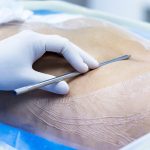
- Minimally Invasive Procedures: Techniques such as microdiscectomy involve removing a small portion of the disc to relieve nerve pressure.
- Endoscopic Spine Surgery: This less invasive method uses small incisions and an endoscope to address disc issues.
When to Seek Medical Attention
Seek medical attention if you experience:
- Severe pain that does not improve with conservative treatments
- Numbness or weakness that affects your mobility
- Loss of bladder or bowel control
- Pain that radiates down the leg and worsens over time
University Spine Center’s Approach
University Spine Center offers its patients the very latest in therapeutic options and medical devices. Today there are many alternatives to fusion. These include:
- Microdiscectomy (treatment for sciatica)
- Laminectomy (without fusion)
- Artificial discs
- Percutaneous endoscopic discectomy
The main advantages over conventional spinal fusion may include:
- Faster recovery times after surgery
- More spinal mobility after surgery
- Reduced stress on adjacent discs
- No need to harvest bones for a bone graft
Conclusion
Managing a herniated disc involves a combination of physical therapy, medications, lifestyle adjustments, and alternative treatments. With the right approach, you can significantly reduce pain and improve your quality of life. For expert guidance and personalized care, University Spine Center is here to help you navigate your treatment options and achieve optimal spinal health.