Emergency Services
 Request A Call
973-686-0700
Lorem ipsum dolor sit amet, consectetur adipiscing elit, sed do eiusmod tempor incididunt ut labore et dolore magna aliqua.
Lumbar/Sacral Epidural Steroid Injections
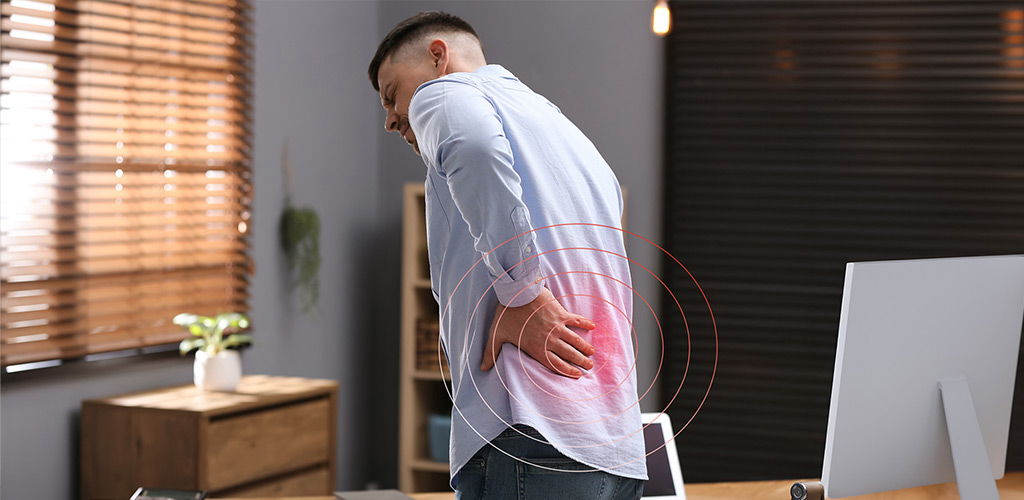
Lumbar and sacral epidural steroid injections (ESIs) are a common treatment for lower back pain, sciatica, and leg pain. During this procedure, medicine is placed into the epidural space in the lower spine or near the tailbone. This space surrounds the nerves that travel into the hips and legs. By calming swollen or irritated nerves, these injections can provide powerful pain relief.
Conditions These Injections Treat
Doctors often recommend lumbar or sacral epidural steroid injections for:
- Sciatica or nerve root compression – sharp, burning, or shooting pain that travels from the lower back down the leg.
- Arthritis of the lower spine can cause stiffness and chronic pain.
- Degenerative disc disease is the natural “wear and tear” of the discs in the spine.
- Chronic lower back pain that spreads into the hips, buttocks, or legs.
Benefits of Epidural Steroid Injections
Many patients experience:
- Relief from lower back pain and leg pain.
- Improved ability to walk, stand, and move comfortably.
- Calmer nerves, meaning less tingling, burning, or numbness.
- Less need for pain medications.
- Better participation in physical therapy and exercise programs.
How These Injections Work
The injection contains a small dose of steroid medicine that reduces swelling and inflammation around the spinal nerves. This helps decrease pressure on the nerves and relieves pain. Relief may last for weeks or even months, depending on the person. Some patients may need a series of injections for the best results.
What to Expect During the Procedure
- The injection is done in an outpatient setting, and you go home the same day.
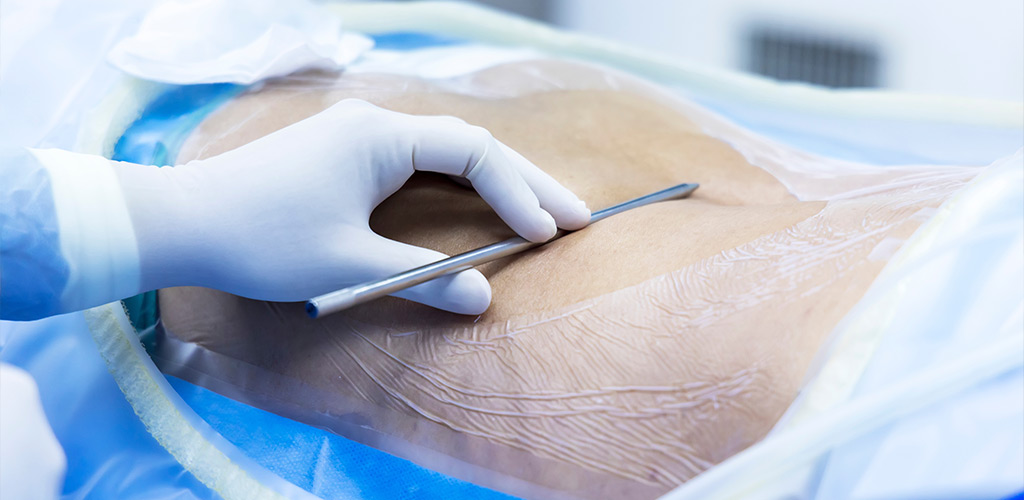
- You will lie on your stomach or side while the skin on your lower back is cleaned.
- A numbing medicine is given so you feel more comfortable.
- Using X-ray guidance, the doctor carefully places the needle into the epidural space and delivers the medicine.
- The whole procedure usually takes less than 30 minutes.
Afterward, some soreness may be felt in the lower back, but it usually goes away within a day or two. Many patients start to feel relief within a few days.
Safety & Recovery Tips
- Rest the day of the procedure, but light walking is encouraged.
- Avoid heavy lifting or intense activity until the next day.
- Use an ice pack if the injection site feels sore.
- Most people return to normal activities within 24 hours.
- Call your doctor right away if you develop a fever, severe headache, loss of bladder or bowel control, or new numbness or weakness. These side effects are rare, but it is essential to check.