Emergency Services
 Request A Call
973-686-0700
Lorem ipsum dolor sit amet, consectetur adipiscing elit, sed do eiusmod tempor incididunt ut labore et dolore magna aliqua.
Cervical/Thoracic Medial Branch Blocks
Medial branch blocks are injections used to help relieve neck and upper/mid-back pain. The procedure targets the small nerves that supply the facet joints in the cervical (neck) or thoracic (upper/mid-back) spine. By numbing these nerves, the doctor can identify which joints are causing pain and help reduce discomfort.
Conditions These Injections Treat
Cervical or thoracic medial branch blocks are often used for:
- Pain from specific facet joints in the neck or upper back.
- Arthritis or degenerative joint disease affecting the cervical or thoracic spine.
- Chronic neck stiffness or upper back pain that does not improve with rest, therapy, or medication.
Benefits of Medial Branch Blocks
- Helps identify the exact facet joints causing pain.
- Reduces pain and inflammation in the neck or upper back.
- Improves mobility, flexibility, and daily function.
- Allows patients to participate more comfortably in physical therapy or exercise programs.
How Medial Branch Blocks Work
A small amount of anesthetic medicine is injected near the medial branch nerves that supply the facet joints. This temporarily numbs the nerves, providing pain relief and helping the doctor confirm which joints are the source of discomfort. Depending on the results, further treatment such as radiofrequency ablation may be recommended for longer-lasting relief.
What to Expect During the Procedure
- The injection is done in an outpatient setting so that you can go home the same day.
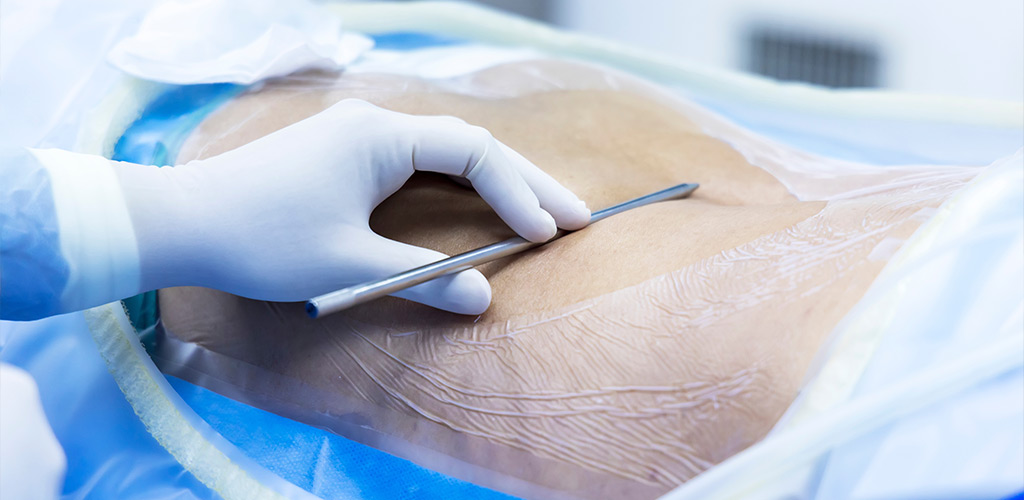
- You will lie on your stomach or side while the doctor cleans the skin over the neck or upper back.
- A numbing medicine is applied to reduce discomfort.
- Using X-ray or fluoroscopy guidance, the doctor carefully places a needle near the medial branch nerves and delivers the anesthetic.
- The procedure usually takes 20–30 minutes.
Some soreness at the injection site is normal for a day or two. Pain relief may be noticed immediately from the anesthetic, and the effects can help guide future treatment.
Safety & Recovery Tips
- Rest the day of the procedure, but light walking is fine.
- Avoid heavy lifting or strenuous activity until the next day.
- Use an ice pack if the area feels sore.
- Most patients can return to normal activities within 24 hours.
- Contact your doctor if you notice unusual numbness, weakness, fever, or severe headache. These side effects are rare but essential to report.