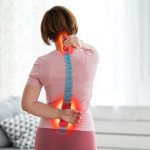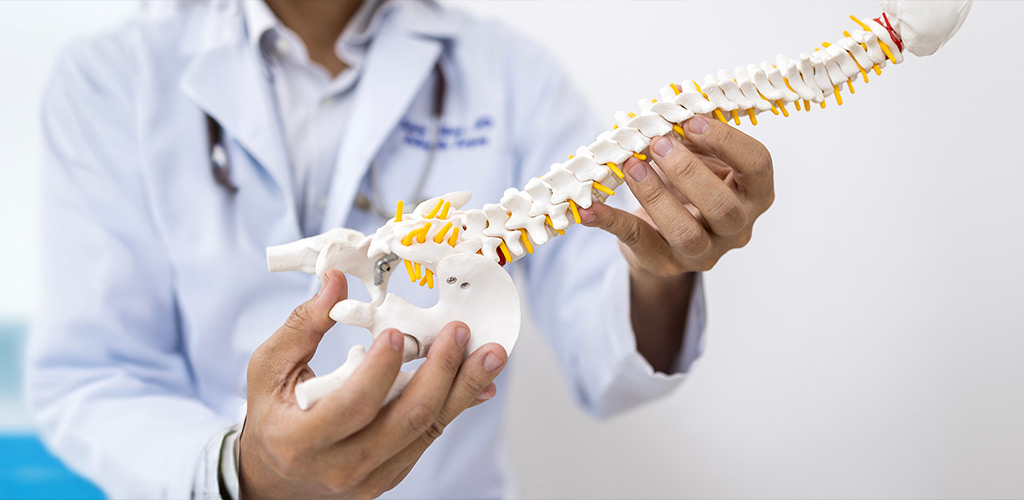
Spinal stenosis is a condition where the spaces within the spine narrow, putting pressure on the nerves traveling through the spine. Understanding its symptoms and treatment options is crucial for effective management.
Symptoms of Spinal Stenosis
- Pain: Pain in the lower back or neck, often radiating to the arms or
- Numbness: Numbness or tingling in the hands, arms, feet, or
- Weakness: Weakness in the extremities, affecting mobility and
- Balance Issues: Difficulty maintaining balance, particularly when
- Bladder or Bowel Dysfunction: In severe cases, loss of bladder or bowel
Treatment Options
1. Non-Surgical Treatments
- Physical Therapy: Exercises to strengthen and stabilize the spine can alleviate
- Medications: Pain relievers, anti-inflammatory drugs, and muscle relaxants can manage pain and inflammation.
- Epidural Steroid Injections: These can reduce inflammation and relieve
2. Lifestyle Changes
- Activity Modification: Avoiding activities that exacerbate symptoms and incorporating low- impact exercises.
- Weight Management: Maintaining a healthy weight to reduce stress on the
- Ergonomics: Ensuring proper posture and ergonomic setups at work and
3. Surgical Treatments
- Microdiscectomy: Treatment for sciatica that involves removing disc material to relieve nerve pressure.
- Laminectomy: Removing part of the vertebra to relieve pressure on the spinal cord or nerves without fusion.
- Artificial Discs: Replacing damaged discs with artificial ones to maintain
- Percutaneous Endoscopic Discectomy: A minimally invasive procedure to remove disc
The main advantages over conventional spinal fusion include:
- Faster recovery times after surgery
- More spinal mobility after surgery
- Reduced stress on adjacent discs
- No need to harvest bones for a bone graft
University Spine Center’s Approach
University Spine Center offers comprehensive care for spinal stenosis. Our team of specialists provides personalized treatment plans, including physical therapy, pain management, and minimally invasive surgical options. We focus on patient education and empowerment, ensuring you have the knowledge and tools to manage your condition effectively.
Conclusion
Spinal stenosis can significantly impact your quality of life, but with the right treatment approach, symptoms can be managed effectively. University Spine Center is dedicated to providing personalized care to help patients achieve better spinal health and improved quality of life.