Emergency Services
 Request A Call
973-686-0700
Lorem ipsum dolor sit amet, consectetur adipiscing elit, sed do eiusmod tempor incididunt ut labore et dolore magna aliqua.
Visceral Aneurysm Repair
Visceral aneurysm repair is a specialized vascular procedure designed to treat aneurysms in the arteries supplying vital abdominal organs, including the liver, kidneys, and intestines. Repairing these aneurysms helps prevent rupture and life-threatening complications, protecting your organs and overall health.
How Visceral Aneurysm Repair Works
The procedure depends on the aneurysm’s size, location, and patient condition:
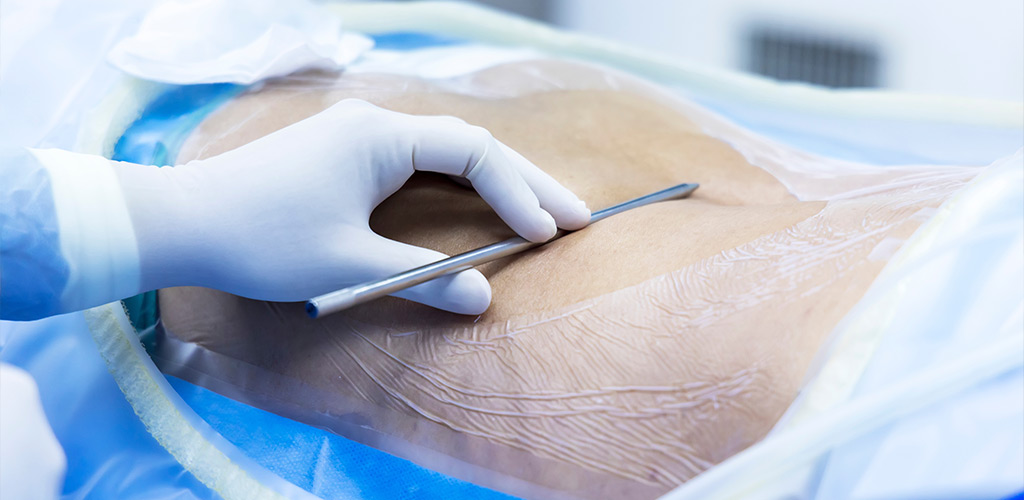
- Open Surgery: A traditional incision allows the surgeon to directly access the aneurysm and repair or replace the damaged artery.
- Endovascular Repair: A stent graft or catheter-based device is inserted through a small incision, typically in the groin, to reinforce the artery from inside.
- Hybrid Approach: Combines both open and endovascular techniques for complex aneurysms.
The goal of all approaches is to restore healthy blood flow to abdominal organs while strengthening the weakened artery wall.
Who May Need Visceral Aneurysm Repair
Visceral aneurysm repair may be recommended for patients who:
- Have an aneurysm in an artery supplying abdominal organs.
- Are at risk of rupture or life-threatening complications if left untreated.
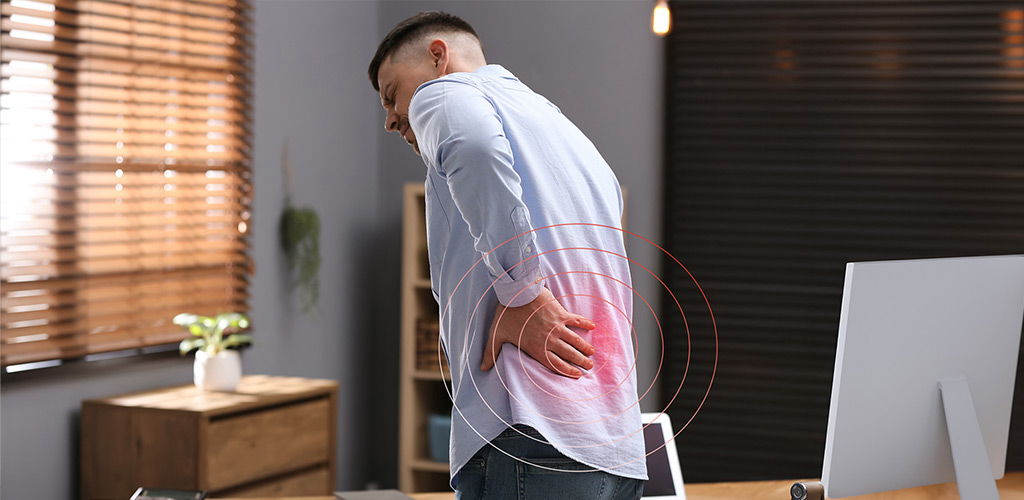
- Experience symptoms such as abdominal pain, nausea, or organ dysfunction.
Benefits of Visceral Aneurysm Repair
- Reduces the risk of rupture and serious complications.
- Restores safe blood flow to critical abdominal organs.
- Can often be performed using minimally invasive techniques, allowing for faster recovery.
- Provides a long-term, durable solution for visceral aneurysms.
Recovery After Visceral Aneurysm Repair
Recovery time depends on the type of procedure:
- Open Surgery: Typically requires several days of inpatient care.
- Endovascular Repair: Often shorter, with many patients returning home within 1–3 days.
During recovery, it’s normal to experience mild pain, soreness, or fatigue, which usually improves over time. Follow-up imaging and appointments are important to ensure the repair is working properly.
Safety & Recovery Tips
- Follow all post-procedure instructions provided by your healthcare team.
- Keep incision sites clean and dry to prevent infection.
- Avoid strenuous activity, heavy lifting, or twisting until cleared by your doctor.
- Watch for increased pain, swelling, or unusual symptoms and contact your healthcare provider if they occur.
- Maintain a healthy lifestyle, including proper diet, regular exercise, and medication adherence to support vascular and organ health.